Editorial Platform — Informational content only. No services, no sales, no deliveries. Read full notice
+44 849 347 742LeedsOpen Mon-Fri 9-18
Premium Selection 2026

Optimal Nutrition Schemes for Livestock Health

Discover evidence-based feeding strategies designed to support the wellbeing and productivity of cattle, poultry, and other livestock. Our comprehensive guides explore balanced nutrition principles tailored to different animal species and production goals.

Whether you manage a small farm or large-scale operation, understanding proper feed composition and nutritional balance is essential for maintaining healthy animals and sustainable practices.

Learn More Browse FAQs
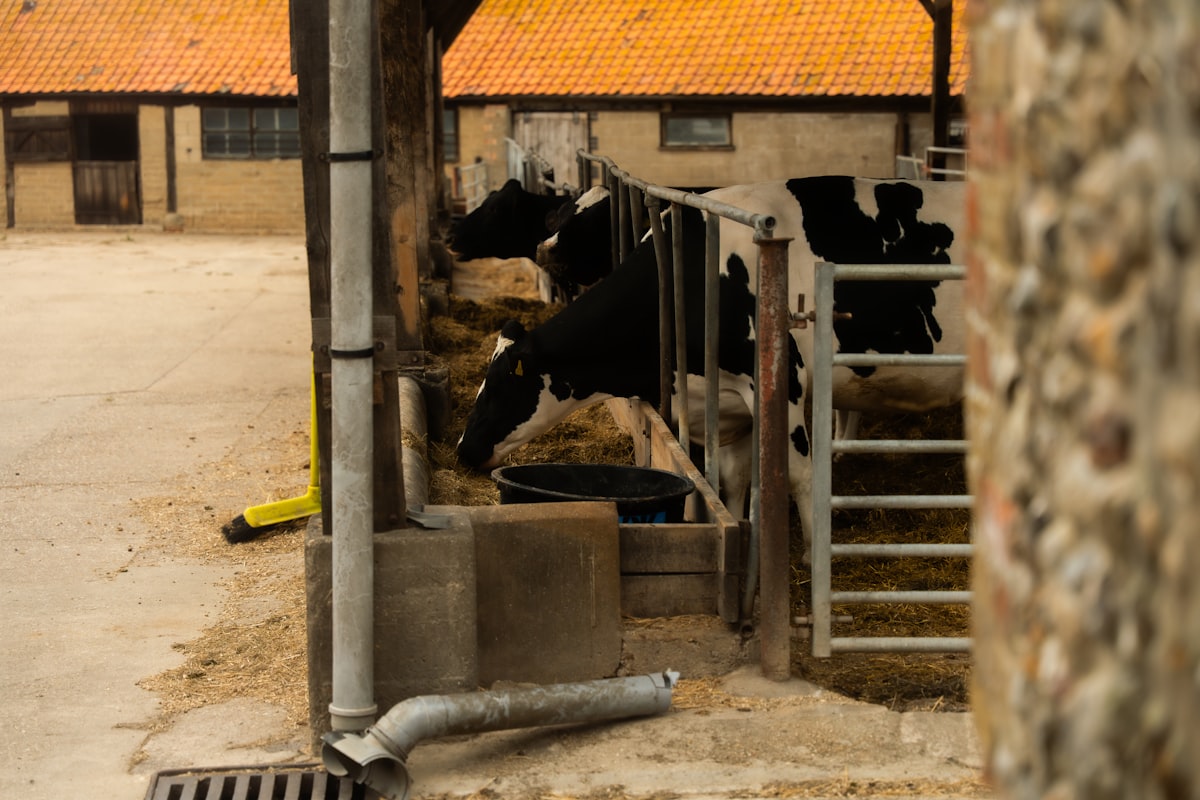
Healthy livestock on pasture
Recommended

Feed Planning Workflow Steps

A systematic approach to designing nutrition programs ensures livestock receive the right nutrients at the right time for optimal growth and health.

1
New

Assess Animal Needs

Evaluate age, weight, species, and production stage to determine specific nutritional requirements for energy, protein, minerals, and vitamins.

2
Popular

Select Feed Ingredients

Choose quality forage and concentrate sources that match nutritional profiles, considering availability, cost, and digestibility for your region.

3
Trending

Balance the Ration

Calculate precise ingredient proportions to meet energy, protein, fiber, mineral, and vitamin requirements without nutrient imbalances.

4

Monitor & Adjust

Observe animal condition, growth rates, and health indicators regularly, adjusting feed composition seasonally or as circumstances change.

Top Pick

Key Nutritional Benefits

Proper nutrition directly impacts animal performance, immune function, and long-term wellbeing across all species.

Popular

Strong Immune Function

Balanced intake of vitamins A, D, E, and minerals like zinc and selenium support robust immune response, helping animals resist common challenges naturally.

New

Optimal Growth & Development

Proper protein, amino acid, and mineral balance ensures young animals develop strong bones, muscle mass, and achieve genetic potential for size and weight gain.

Recommended

Sustained Energy & Performance

Quality forage and balanced carbohydrate sources provide consistent energy for daily activities, reproduction, and production outputs in dairy or meat animals.

Editor's Choice

Digestive Health

Adequate fiber content, proper ingredient selection, and correct ration formulation promote healthy rumen fermentation and digestive system function in grazing livestock.

Featured

Reproductive Success

Balanced energy and mineral nutrition support healthy conception, gestation, and lactation cycles, improving overall herd fertility and productivity metrics.

Sustainable Feed Efficiency

Well-formulated rations maximize nutrient utilization and minimize waste, reducing overall feed costs while supporting environmental sustainability and farm economics.

Balanced Diet Components Explained

Understanding the key nutritional elements ensures you can evaluate and optimize feeding programs for your animals.

Essential Nutrients for Livestock

Protein & Amino Acids

Building blocks for muscle tissue, enzymes, hormones, and immune factors. Quality sources include legumes, oilseed meals, and grain by-products matched to each species' requirements.

Energy Sources (Carbohydrates & Fats)

Provide fuel for daily activities, growth, and production. Forage supplies structural carbohydrates; grains and oils offer concentrated energy for performance demands.

Minerals (Calcium, Phosphorus, Magnesium, Potassium)

Crucial for bone development, muscle function, and metabolic processes. Proper ratios prevent deficiencies and support long-term skeletal health.

Vitamins (A, D, E, B-Complex)

Support immune function, vision, bone metabolism, and cellular protection. Some can be synthesized by the animal; others must come from feed sources.

Trace Minerals (Zinc, Copper, Iron, Selenium)

Required in small amounts but essential for enzyme function, immunity, coat quality, and reproduction. Deficiencies can reduce performance without obvious visible signs.

Balanced feed ingredients and nutritional components

Why Trust Our Editorial Content

ℹ️ Did you know?

Healthyhabitcore provides practical, research-informed guidance on livestock nutrition and farm management from experienced editorial contributors.

Evidence-Based Approach

Our articles reference established nutritional science and practical farm experience, helping you make informed decisions rather than relying on outdated practices.

Practical, Implementable Guidance

We translate complex nutritional concepts into actionable steps for small operations and large-scale farms alike, with regional and seasonal considerations included.

Diverse Species Coverage

Whether you raise cattle, poultry, sheep, goats, or pigs, our content library includes species-specific nutrition guides tailored to unique biological requirements.

Transparent & Honest

We acknowledge nutrition's complexity, explain what we know versus what remains debated, and never overstate results or claim unrealistic outcomes.

Regularly Updated Content

Our editorial team continuously reviews and updates articles to reflect the latest findings, ensuring you access current information rather than outdated recommendations.

Community-Driven Feedback

Our readers share experiences, questions, and results, helping us understand real-world challenges and improve our content continuously.

What Our Readers Say

Farmers and agricultural professionals share how our content has improved their feeding programs and animal care practices.

5/5
"After implementing the balanced ration formula from your dairy cattle nutrition guide, We saw positive changes in our herd's health after implementing the advice. The step-by-step breakdown made it easy to work with our local feed supplier, and our vet confirmed the herd's overall health metrics have improved significantly. This content is practical gold."
JM

James Mitchell

Dairy Farmer, Yorkshire

4.9/5

"I run a small mixed-species farm with cattle and poultry. Your species-specific guides helped me understand why my chickens weren't thriving on a general grain mix. The mineral ratios article was particularly eye-opening. My vet praised the nutritional improvements."

SC

Sarah Cooper

Mixed Livestock, Devon

5/5

"As a newer farmer, I was overwhelmed by nutrition concepts. Your feed planning workflow breaks everything into manageable steps. I've adjusted my beef cattle ration three times now based on seasonal changes, and the animals look healthier than ever."

DP

David Parks

Beef Producer, Somerset

4.8/5

"I shared the trace minerals article with our agricultural college students. The clarity and practical examples make complex biochemistry accessible. Several graduates have mentioned using the content in their farm planning work."

EP

Emily Patterson

Agricultural Educator, Cheshire

Explore Our Complete Nutrition Resource Library

Browse detailed guides, species-specific plans, and answered FAQs from our editorial team of farm nutrition specialists.

Browse Articles Frequently Asked Questions

Common Questions About Livestock Nutrition

Quick answers to questions our readers frequently ask about feed planning, ingredients, and animal health.

How often should I adjust feed rations?

Most farms benefit from seasonal adjustments (spring pasture transition, winter stored forage shift). Monitor animal condition monthly, and adjust more frequently if production goals change, animal age profiles shift, or new ingredients become available. Work with your veterinarian or feed specialist on annual reviews.

What are the risks of poor nutrition?

Animals on imbalanced diets may show slow growth, reduced milk production, poor coat quality, reduced immune response, lower fertility rates, and weak bone development. Long-term deficiencies can cause serious complications. Regular monitoring and balanced ration formulation prevent these outcomes.

Can I create custom mixes from local ingredients?

Yes, many farms successfully formulate rations from locally-available grains, forage, and by-products. You'll need to know ingredient composition (energy, protein, mineral content) to balance properly. Consider lab testing local feedstuffs and consulting with an agricultural extension specialist or veterinarian familiar with ration formulation.

How do mineral imbalances affect animals?

Improper ratios of calcium to phosphorus, or inadequate magnesium, can cause metabolic bone disease, grass tetany, or reduced fertility. Trace mineral deficiencies (zinc, copper, selenium) may cause poor coat, weak immunity, or reproduction issues without obvious acute signs. Proper ratios prevent these subtle but costly problems.

What's the difference between commercial and home-mixed feed?

Commercial feeds are formulated, tested, and quality-controlled, offering consistency and convenience. Home-mixed rations allow customization and can reduce costs if ingredients are locally available. Both can support animal health when formulated correctly; your choice depends on scale, expertise, and resource availability.

How does pasture quality change with seasons?

Spring and early summer pastures are typically high in protein but may lack minerals; autumn grass becomes fibre-rich and less nutritious; winter dormant pasture requires supplementation. Understanding these cycles helps you plan supplemental feed strategically and transition animals smoothly between feed sources.

Get New Articles in Your Inbox

Subscribe to receive updates on latest livestock nutrition guides, seasonal feeding tips, and reader-requested topics.

We respect your privacy. Unsubscribe at any time.

What Our Readers Say

"Healthyhabitcore transformed how I approach my daily wellness routine. The practical tips and science-backed advice have made a real difference in my energy levels."

Sarah Mitchell

Fitness Enthusiast

"I've been following Healthyhabitcore for six months now. The nutritional guides and meal planning resources have been invaluable for my family's health journey."

James Rodriguez

Health-Conscious Parent

"The livestock nutrition section helped me optimize my farm's feeding strategy. Best resource I've found for sustainable agricultural practices."

Emma Chen

Sustainable Farmer

Frequently Asked Questions

How often do you publish new content?

We publish new articles and guides weekly, covering wellness tips, nutrition advice, fitness routines, and seasonal health topics. Subscribe to stay updated on the latest posts.

Is the nutritional information medically reviewed?

Yes, all our nutritional guides and health advice are reviewed by qualified health professionals to ensure accuracy and safety. However, always consult your doctor for personalized medical advice.

Can I use your resources for my business?

Our content is primarily for personal use and educational purposes. For commercial use or licensing inquiries, please contact our team directly through our contact page.

How do I suggest topics for future articles?

We love reader feedback! You can submit topic suggestions through our contact form or by reaching out via email. Your ideas help shape the content we create.

Do you offer personalized nutrition plans?

While we provide general guidelines and resources, personalized plans should be created with a registered dietitian. Our content serves as educational material to complement professional advice.

Ready to Transform Your Health?

Join thousands of readers who have already started their wellness journey with Healthyhabitcore. Get expert tips, practical guides, and daily inspiration delivered to your inbox.

No spam, unsubscribe anytime. Your health journey starts here.

This site provides educational content only. We do NOT offer medical consultations, sale of products, deliveries, or refund policies. For medical advice, consult a licensed professional.